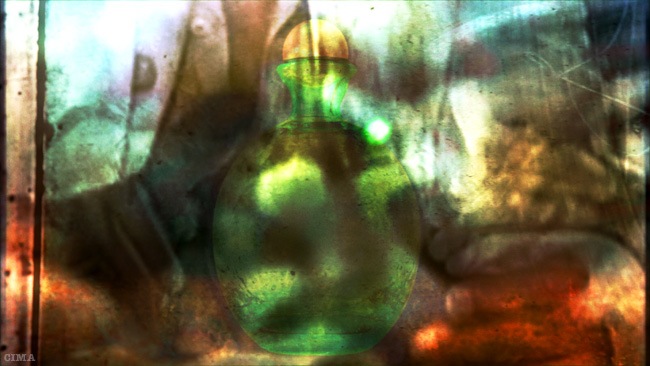
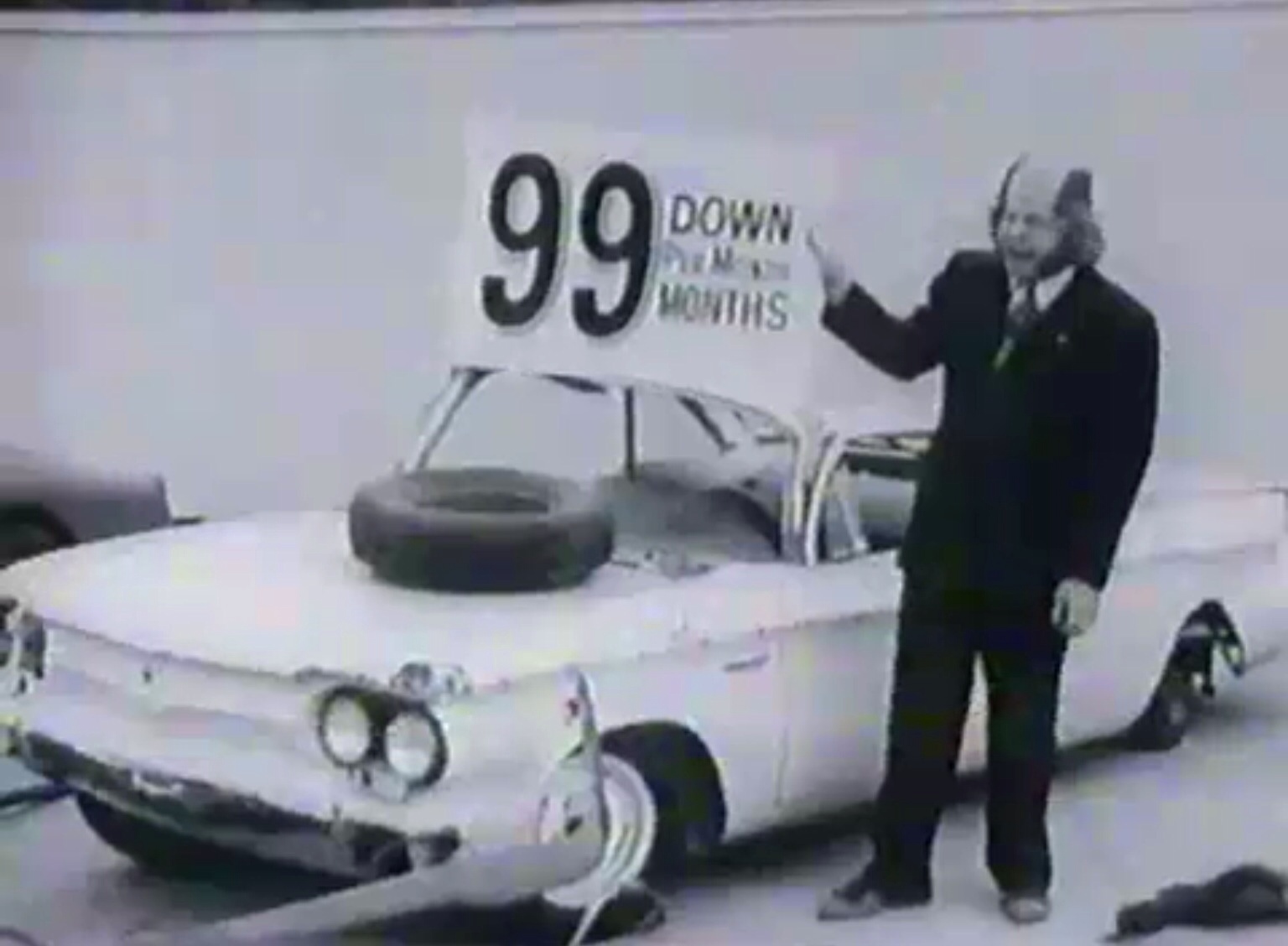
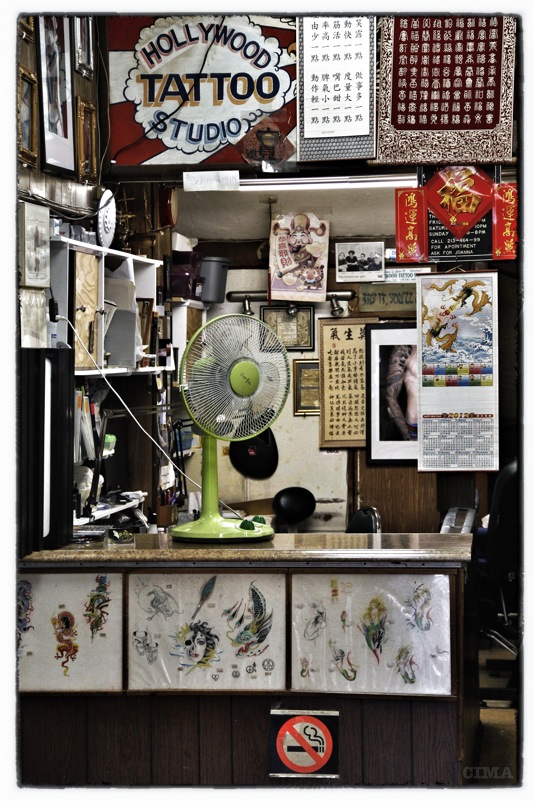
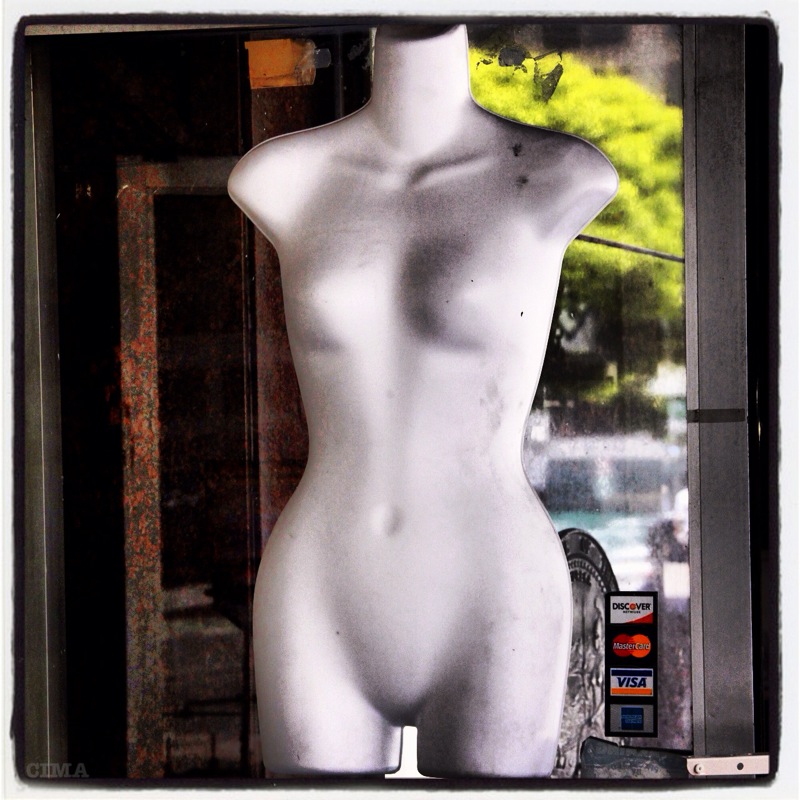
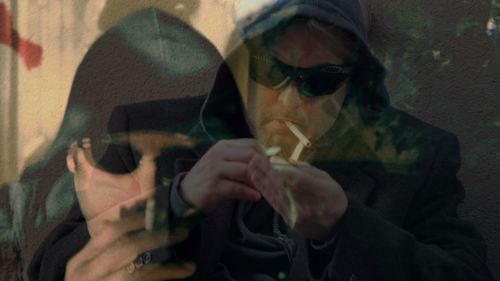
A film combining the mythology of the Hollywood/Spaghetti western, Tarot, magic, occult, Jungian psychology, and mysticism with flamboyant, multi-layered, supersaturated imagery.
Multiple narratives conflict and adhere. Meanings emerge and contradict. Music and dialog tell another layered story, sometimes agreeing with the images, sometimes trying to subvert them.
A film should be a container for the psychic unconscious energy of its creator. That is what this is.
The LAPD and Torrance Police Department are terrorized to the point of deadly incompetence by a single crazed gunman on a mission of revenge. Nut-jobs who write manifestos and go out to hunt police are quite rare and somewhat beside the real point. What we should all be extremely concerned about is the fact that the absolute finest that the LAPD has to offer – those who manage to get promoted into the detective ranks – apparently have such poor training, such poor instincts, and such callous disregard for life that they are willing to open fire on women delivering newspapers, simply because they happen to be driving a blue pick-up truck. Then, moments later, Torrance police open fire on another pickup truck just around the corner. This other pickup is black. So which is it, guys? Blue or black? Does your crazed gunman typically dress up as a woman and throw newspapers onto front lawns?
How many people are these assholes going to execute in their hunt for a lone Rambo wannabe?
Amazingly, the LAPD chief, Charlie Beck, considers this a ‘case of mistaken identity!’ Seriously, chief? What are you smoking today? This is an appalling case of dangerously stupid people who work for you shooting at innocent people for absolutely no reason. This is a case that should make a chief of police witheringly angry to the point of punching some cops’ teeth out onto the sidewalk, firing them, humiliating them in public, with criminal charges to follow. But that isn’t happening. Maybe the chief has a barbeque planned with these detectives. He wouldn’t want to miss that.
The problem here is that this deadly reflex to shoot at anything without understanding the target goes against any kind of training these people should have received. Firing your gun without knowing what you are shooting at is unacceptable. I don’t want to sound too reactionary, but cops who shoot innocent people really do deserve what’s coming to them. A newspaper woman is much better than a dangerous cop.
It goes without saying that I am horrified at the shocking violence and disregard for innocent life on display by the LAPD and Torrance police. An insane murderer’s rampage has somehow exposed our police force as an extremely dangerous organization.
Disney produced this amazingly good drivers education film in 1970. It is one of those cheerfully playful experiments with common avant-garde techniques that were so much a part of seventies culture because of shows like Sesame Street. The filmmaking is generally quite good and sometimes even approaches brilliance. I've been working vaguely and lazily on a new film about cars and Los Angeles and I'm quite prepared to lift some things right out of this film or at least use it as a template for commenting on car culture in this great throbbing fast lane metropolis.
Kurt Russell of ham acting fame gives the narration and he's actually good, playing the young man in school who is about to go for his driving test and qualify for the license to kill that will get him lots of action as long as he looks out for little girls chasing big red balls into the street.
Enjoy a trip through Los Angeles of yesteryear and remember that cars just work better out here.
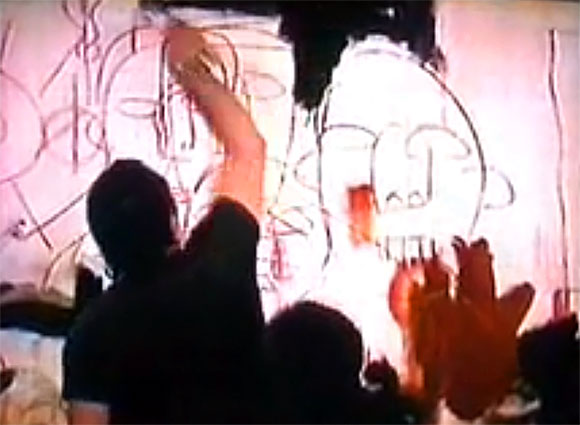
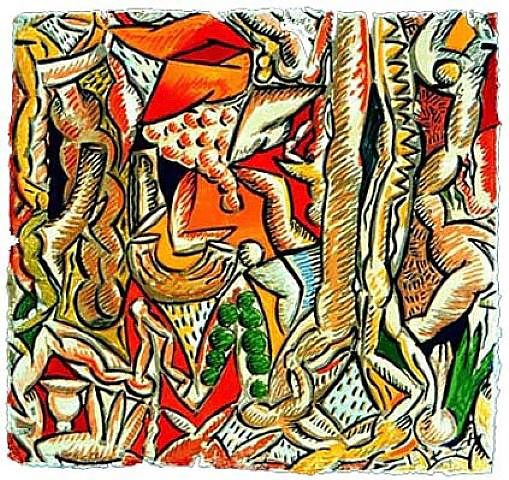
Whenever I'm in a Los Angeles art gallery if I notice a piece by Gronk I always get snagged and hang around in front of it for too long. I tire easily of galleries and museums because of the general impatience you encounter in those places. People are at their absolute bottom level of stupidity when they saunter through a gallery, stopping for just an exquisitely timed observation period sometimes directly in front of where you happen to be standing. They also tend to move around a room in the same direction, going with the flow or listening to their little tape-recorded tours. I like to go backwards and jam these people up a little. I also like to massively flirt with pretty women but often get into trouble with their boyfriends whom I haven't noticed lurking in the opposite corner.
Gronk makes me feel at home in a gallery because I like to stand before greatness. I'm not fond of the equalization of creativity. This guy just casually blows everything off the walls like he's the kind of great artist we made in the time of Pollock. There's an air of hard-edged bohemian mixed with muralist mixed with art history scholar. In other words, he knows what he’s doing. He's got an enormous classical underpinning that may sometimes get obscured if you too closely associate him with the Los Angeles street. I mean classical in the more inaccurate general sense of an artist that has a deep connection to the artists and major movements that came before him. I see a calm and understanding continuation of American art history coming through the few Gronk works I have had the pleasure of standing in front of.
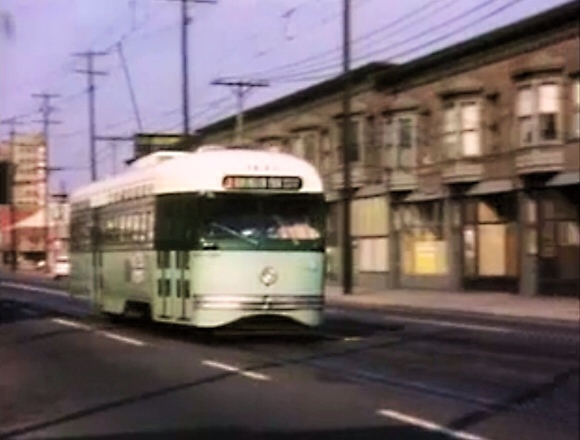
This is a short documentary about the last of the Los Angeles Yellow and Green streetcar lines of the mid-1950s. For me, Los Angeles is the most beautiful American city because of its nearly mystical relationship with the natural landscape intruding so markedly upon the urban scene. One gets the feeling that at any moment the terrain could obliterate the city entirely. The resulting dichotomy makes for eerie and unsettling intrusions of nature into the urban landscape. Turn a corner, even today, and you are quite likely to find yourself looking up a natural hillside with only a dirt path for access. Old films like these fascinate me for their glimpses of the cityscape and its long-ago relationship to the desert surroundings.
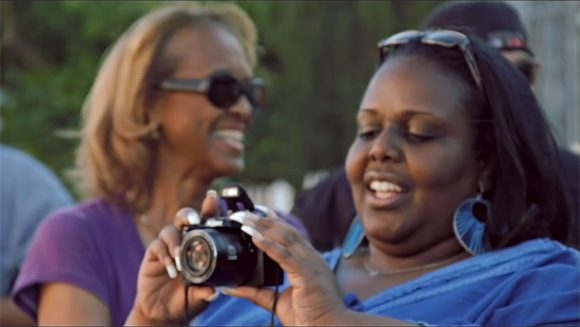
Artist Michael Heizer’s enormous new work on the grounds of the Los Angeles County Museum of Art required a 340-ton boulder as its centerpiece. The boulder had to be transported over 100 miles from its quarry. At first, I was very interested in this rock. It’s huge! But soon I became more interested in the city’s reaction to the rock. So this film documents the final few miles of the rock’s journey, but it also documents the people who came out to be a part of the great Los Angeles rock transport. The film is part documentary and part personal impression. The simple fact of the matter is that the rock’s arrival is an unusual milestone in the life of this city. You can tell that simply by looking at the faces in my film.
Patrick O’Neill is one of the Los Angeles artists currently featured in the huge citywide exhibit known as ‘Pacific Standard Time.‘ He has made many experimental films using techniques perfected with an optical printer. This film incorporates footage of oil derricks in Venice, California and nude models filmed in the artist’s studio. Its synthesizer score is by Joseph Byrd. I don’t know much about optical printers, but I do know that they allow images or films to be projected and rephotographed by a movie camera. So my guess is that one could set up multiple layers of screens and projections to film them and blend them into a single image. Optical printers were used to create special effects in Hollywood films. I think perhaps the most famous use of the printer was in the creation of the light show sequence near the end of Stanley Kubrick’s ‘2001: A Space Odyssey.’
O’Neill is one of the people who form the incredible fabric of the Los Angeles art scene post World War II. I did not know of him until I found his work through the Pacific Standard Time exhibit which is really something remarkable and I think that its effects will be felt in the art world for quite some time. Its broad scope, grouping and explanation of the Los Angeles art history and its significance cannot help but influence artists here in the city and far beyond. It’s essentially saying, ‘Look, here’s a great and fascinating body of work inspired by a city for the second half of the twentieth century. Here’s how it all happened, who the people were and what they were trying to do.’ It’s a very strong impression to make on a city. It must be a very great honor for an artist to be included in it.
I finished my first film in 1962. Then I started doing abstract or composite films. I began to use the camera as a sort of gathering device to provide elements for manipulation through re-photography. This led to 7362 which was finished in 1967. I didn’t have much knowledge about the history of the medium at that time. I’d had maybe three film classes at UCLA and beyond that the midnight screenings at the Coronet and the Cinema Theater were my education. That series at the Cinema Theater was going on from the early sixties.
Imagine trying to make such a film today! The attempt to capture an area with a broad overview actually strikes me as an amusingly naive effort – except for the film’s witless touch of that casual Hollywood racism in part 2. Yes, come to Hollywood! Land of eternal sunshine and myth making. But whites only please!
The film eventually tries to justify its title with a few shots of Christmas decorations and clubs where New Years could be properly celebrated.
First, here’s a nice review and interview about the film at Dangerous Minds. Want to follow a secret identity artist through a dangerous Los Angeles as he escapes and hits like a criminal? Hang on and watch carefully. You may need to watch it 14 times to catch the drift. But you’ve probably got that kind of time anyway. This is a Los Angeles crime film. But it’s as if several films on celluloid fused together and what you end up with is an art film that gets overwhelmed by urban documentary and then collapses into a narrative thriller. It’s filled with hints, clues, evidence and misdirection. Images, ideas and sounds bounce off each other, mirror each other. There are secrets in this film. You have to watch carefully, through layers to catch things. I’ve tried to make a film that moves like disjointed thoughts toward the preordained ending. Continue reading …
While I was running through the Getty Center’s flagship portion of the massive citywide ‘Pacific Standard Time‘ art exhibit, I was struck by just how great this Wallace Berman fellow really was. Known primarily as the ‘father’ of assemblage art, he was also a member of the Beat Movement. He made a single film which occupied much of his time through the 1960s and 70s. It’s less than eight minutes long and it’s a drop dead gorgeous thing to see. He’s one of those film artists interested in what I like to call the messy image. The film seems to have been dragged through ink and dirt. It’s been scratched, wrinkled, folded, cut, slashed and stained. Letters flash by like subliminal messages. Pop culture crashes into modern art. He films magazines, papers, radios, faces, hands, rock stars, body parts, buildings, streets and apparently just about everything he had lying around in his studio. This film is a quiet little reminder that crystal clear HD and super sharp focus are not anywhere near the concerns of some artists.
And here is California assemblage artist George Herms talking about Berman recently as part of the Pacific Standard Time series of exhibits:
Pacific Standard Time is a massive overview of Los Angeles art from 1945 to 1980. At least sixty galleries and museums are taking part over the next few months. I have already been to the largest exhibits at the Museum of Contemporary Art, Los Angeles County Museum of Art, and the Getty Center. The whole thing is a lot of fun and I have discovered artists I never knew about before. There are magnificent things on display and the curators have also published big books to go along with each exhibit. I seriously recommend that you always get the books because they have far more information in them than the exhibits themselves. I view it as my own effort to compile a record of this unique regional art show.
This film was put together for the Getty Center’s flagship exhibit, Crosscurrents, which covers 1950 to 1970. It’s a very nice little documentary about some of the major art developments in Los Angeles.
The film seems almost out of time. It could have been filmed fifty years ago. The gently swaying palms of Los Angeles fit between buildings easily but seem to have a romantic life in this film. The music, a piece for theremin and string quartet by Herbert A. Deutsch, fits the imagery in Jennifer Sharpe’s film to perfection. This kind of filmmaking, done with a small camera and then edited and colored in a relatively simple digital editor, is very close to the simplicity of the poet working in a notepad or the artist sketching from her window. Sharpe’s films are deeply felt poetic expressions that seem to exist in the only possible form that they could have. She turns her video images into something close to painting, extending time and finding mystery in simple movements. She has a very gentle approach but with strength in her observation and emotional ability, sort of like a butterfly with steel wings.