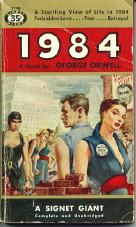
 Last week, Amazon.com unwittingly dealt an enormous body blow to the concept of Digital Rights Management (DRM) by remotely deleting legally purchased copies of George Orwell’s Nineteen Eighty-Four from all Kindle ebook devices. The excellent TeleRead site devoted to all things e-book and e-reader has a very well-considered post about the dangers of DRM and how we must protect ourselves against a world where customers don’t really end up owning digital copies of things they buy online.
When Amazon can connect to your Kindle device and blow away the book you bought, it means that you never really owned it at all. You’re a renter. Get used to it. Almost any online service you can think of that sells you a book or a piece of music can come into your device and zap your stuff. They consider it their right to do so. We need laws that make our digital purchases our very own property and forbid anyone from modifying or deleting them for any reason.
The TeleRead article draws the connection between the ability of a company like Amazon to zap books and government censorship. Since the technology can zap books, it will zap books because governments will consider it an effective means of censorship.
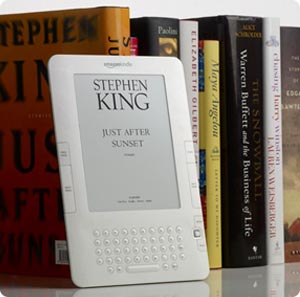 We have totally had enough of Amazon.com at Candlelight Stories and have completely removed them from advertising space on this site and permanently severed our ‘associate’ relationship with the company. The reason is simple. Over the weekend, Amazon went into customers’ Kindle ebook devices and deleted purchased copies of George Orwell’s classic novels, Nineteen Eighty-Four and Animal Farm. Apparently, the U.S. owner of the novels’ copyrights either decided to change its mind about offering an ebook of the novels or complained about illegal electronic copies on Amazon. So Amazon removed them from the site and then reached out into Kindle devices that are legally owned and whose owners had legally purchased Nineteen Eighty-Four and Animal Farm from Amazon’s own site and completely removed all traces of the novels from those devises. I call it an eBurn.
 Tim O’Reilly has
  Here’s a reprint of a fascinating and well thought out
 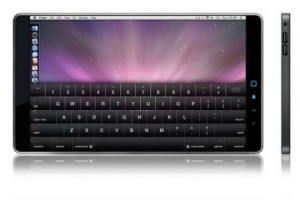 This image is floating around the internet along with rumors that Apple is ready to unveil a much larger version of its iPod Touch that might be called