A Chinese Fairytale was written in 1904, by Laurence Housman. He was from England and wrote many stories, novels and plays. This story first appeared in a book of stories called The Blue Moon. It tells of the young Tiki-pu who wants desperately to learn how to paint. But he is only a servant and must resort to trickery in order to learn his craft.
 Subscribe to audio with iTunes
Read by Alessandro Cima
Duration: 00:18:33
Here’s the full audio script:
Tiki-pu was a small grub of a thing; but he had a true love of Art deep down in his soul. There it hung mewing and complaining, struggling to work its way out through the raw exterior that bound it.
Tiki-pu’s master professed to be an artist: he had apprentices and students, who came daily to work under him, and a large studio littered about with the performances of himself and his pupils. On the walls hung also a few real works by the older men, all long since dead.

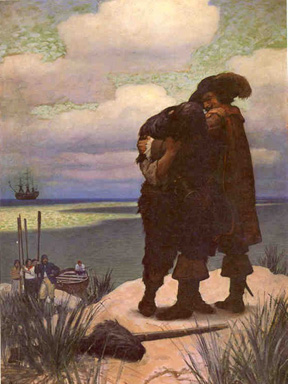
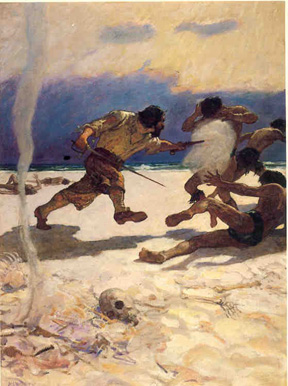
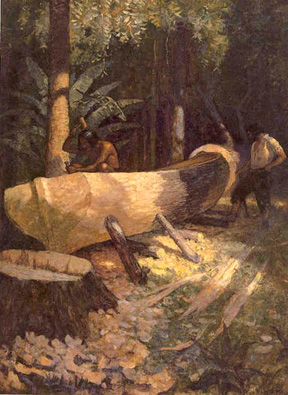
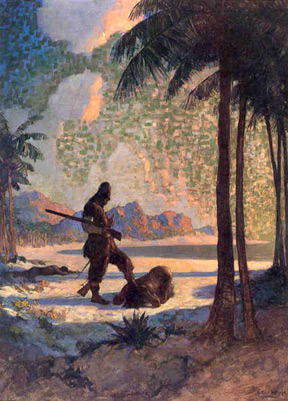
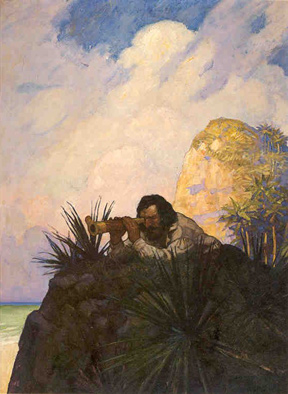
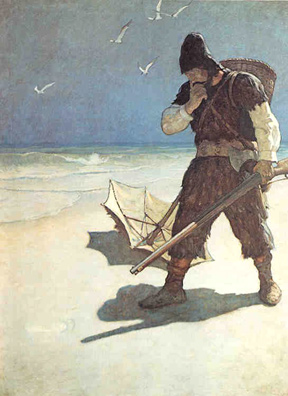
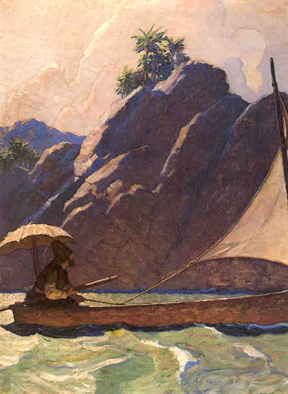
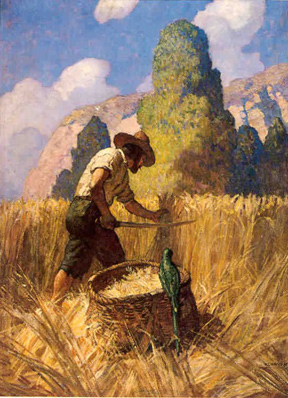
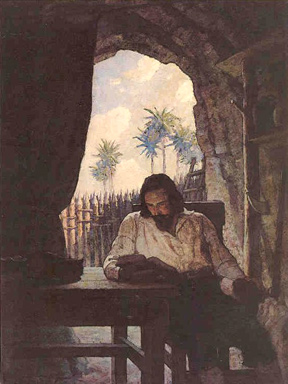
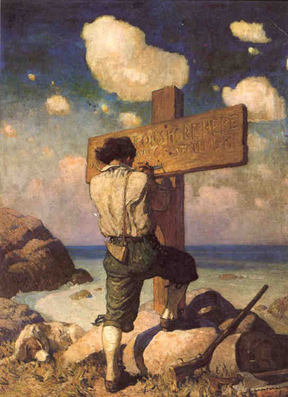 Crusoe explains how he made his own tools and built his home on the island. He begins to show us his journal entries which track each day’s activities. He goes hunting and, much to his surprise, begins to use agriculture. All his mental efforts are bent toward making his survival upon the island long-term. He even considers what he will have to do to ensure his survival when his health and strength begin to fail. The inclusion of the journal entries, which actually repeat some of the very things Crusoe has already told us, are a striking literary device on the part of Daniel Defoe. Pay attention to how the voice (I mean the literary voice, not the audio voice!) of Crusoe changes ever so slightly with these journal entries as compared to the rest of his narration. Crusoe also begins to struggle with religious thoughts and wonders whether some sort of divine providence is behind his being the sole survivor of the shipwreck.