Photography: Robert Herman

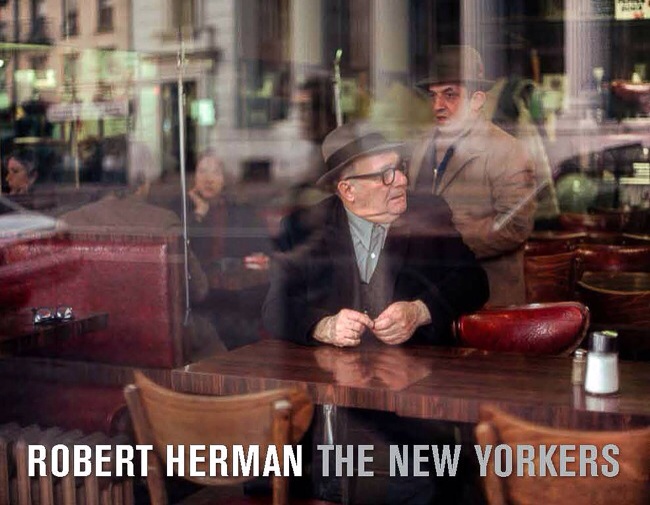
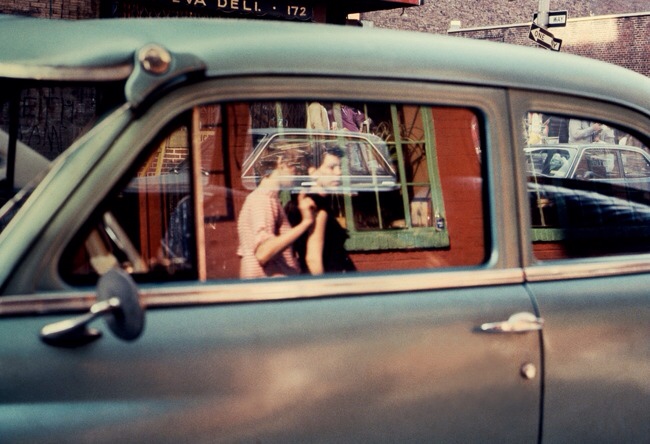
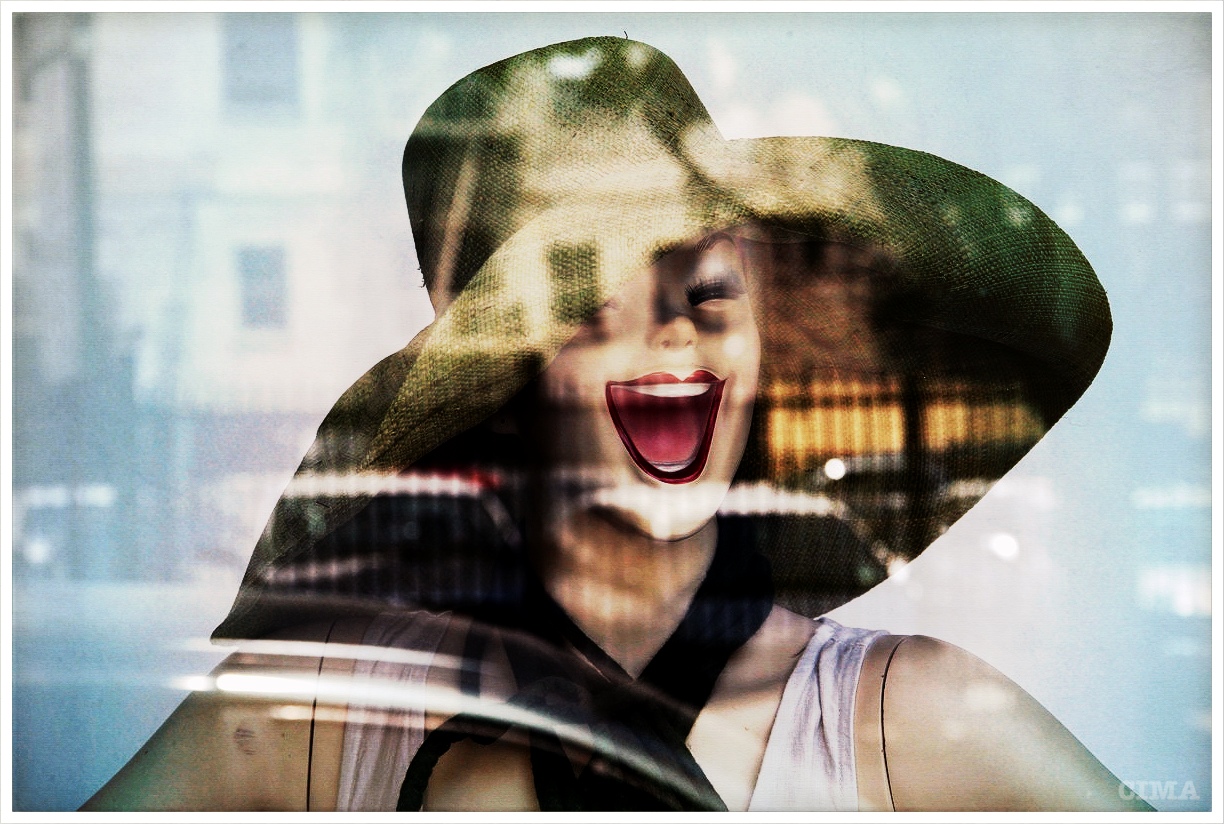
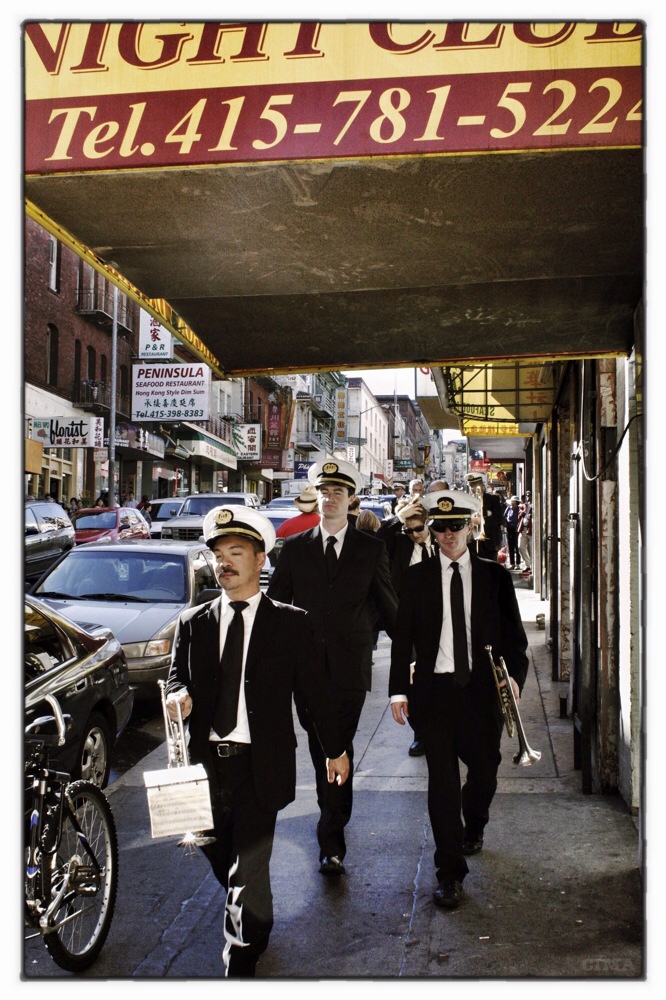
Robert Herman is a photographer from Brooklyn who captures light and personality on the streets of New York. His light, color and sense of time out of joint is just beautiful. The past seems to live inside the present in Herman's work. Here is street photography in the tradition of Robert Frank that captures the fleeting moments of beauty and natural expression from people who are just living the moments of their lives. It is photography that requires an almost magical and instantaneous ability to see what is about to happen and frame it on the fly while trusting in the world to give you a good image. I admire this kind of talent with a camera above all others. I think this is where genius with a camera really makes itself known.
 
Herman is preparing a book of photographs called The New Yorkers.
 
Here is the photographer's web site.
 
More about him at Lenscratch.


Masters of Photography: Diane Arbus

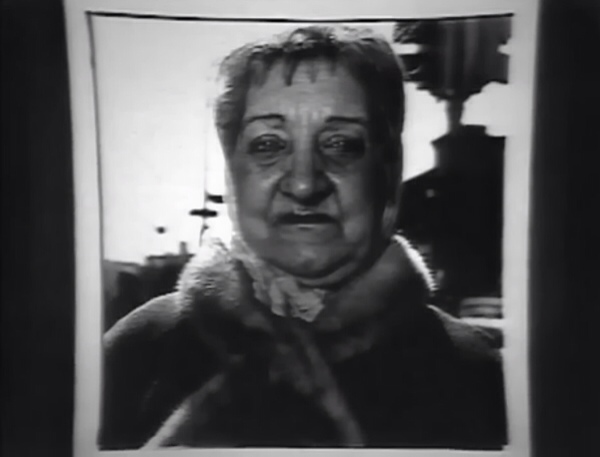
This 1972 documentary on the brilliant photographer Diane Arbus contains her own words which turn out to be quite possibly some of the most penetrating observations and comments about the art of photography that one will ever hear. She says she never takes a photograph that she intended. She says what a photograph is of is more important than what it is.
 

Death in Syria – How Global Post’s Tracey Shelton Captured Her Iconic War Images

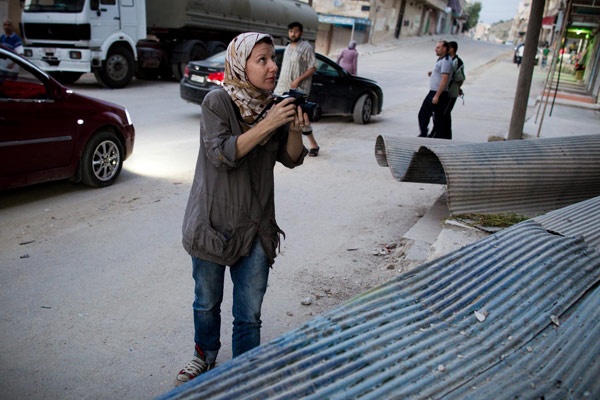
Tracey Shelton, a photojournalist working for Global Post was on the Syrian civil war front lines in the city of Aleppo, covering a group of rebel fighters who were manning a barricade position. She was using a Canon 7D DSLR camera to take video as the fighters prepared for the possible approach of some tanks. They were caught unprepared and her camera captured the moment when they were killed by a tank shell. The resulting images have become some of the most direct examples of just how suddenly death can come in war. They are a shocking reminder of war’s brutality. The bravery she must have to sneak around those streets with only a camera to defend herself from snipers, tanks and rocket propelled grenades is astounding. I think I would simply put my camera away and run.

DSLR News Shooter has an in-depth article about the photographer.

The photo of Tracey Shelton is by Niklas Meltio.

The original video of the terrible moment in a short documentary is shown here:

http://www.youtube.com/watch?v=nsJh67GjjPI

Here is an interview with the photojournalist about how she got her images:
http://vimeo.com/49395813

Fairytale: Photographs by Miwa Yanagi

 
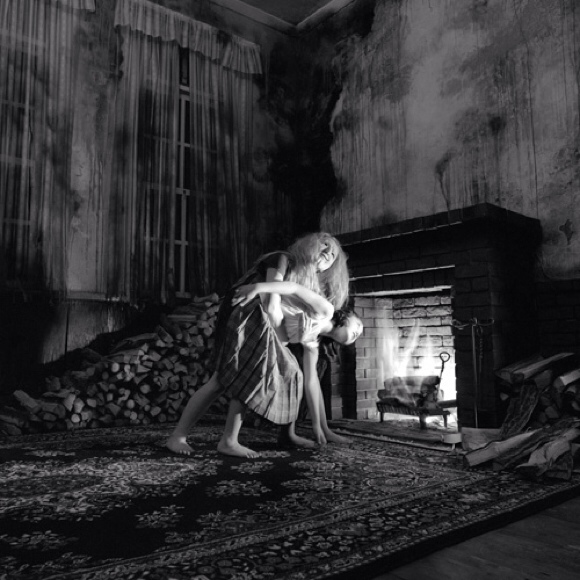
Japanese artist Miwa Yanagi makes these beautiful staged shots based on Japanese tales, the Brothers Grimm, and stories by Gabriel Garcia Marquez. The photos are part of her ‘Fairytale’ series. She has girls play the various roles and seems to shoot many of the scenes inside a room with big windows that she transforms into mysterious and suggestive environments. Her photography has the bold dramatic effect of old Hollywood black and white films.


Glass Letter Boxes at Lunch by a Parking Lot in Los Angeles

 
I hated Steve Jobs. Now that he’s dead I like him better. Looked snotty to me, but he came up with some nice things. I’m using an iPad right now, trying to master the stiff-finger jabbing action in my lap with the thing leaning in front of a Greek salad on a greasy streaked patio tabletop out of the sun in a breeze that keeps flipping my napkins over and threatening to send them back toward the door from which my food came – delivered to a number on a stick. The number’s gone now. She must have taken it when she placed my trays in front of me. So far, the finger-jabbing is workable if not entirely productive. My problems with Steve Jobs notwithstanding, I dig this pad and carry it everywhere, even when I should know that it makes me look like – what do you call them – a goddamn geek. But I have too much face-breaker in me to ever be mistaken for a geek with an iPad. I annoy geeks because they sense the lout underneath the programmer.
 
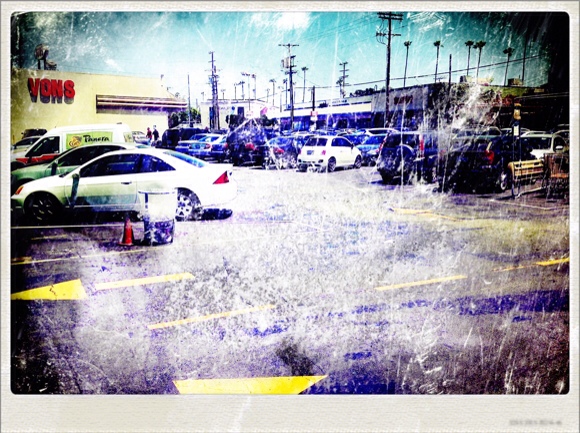
So anyway or anywho as all the wannabe smarties like to say – if someone says anywho to you, just casually punch their front teeth out, understand? Even if it’s me. The use of the word indicates a fractured personality who wants to present itself as innocuous. Anyhow, there’s a thing about iPads and rear-facing cameras, filters, touch screens, Wifi connections, and trying to capture the moment or the under-moment of a place as surface-oriented and deeply mysterious as Los Angeles. You can’t let snobbery and distaste for a personality prevent you from diving into what you identify as bullshit for a nice swim in the same dirty water everyone else is so interested in. Sometimes, for the artist, immersion is essential. You can’t stand on the shoreline watching the swimmers, critiquing their bathing suits and lovely fat rolls. You’ve got to go in and swim around between their legs like a lingering shark looking for easy meat. You can still be a little separated as far as viewpoint, but you must try the water. That’s my theory behind the photo of the parking lot. It was taken on the move from parking spot to Panera Bread, then filtered up, framed and filtered again while trying to control the napkin traffic across my lunch. It’s a little like painting really. Despite the stupidity of the millions of photos uploaded to the hellish quagmire known as Instagram, the digital photo/filter combo just might be vastly superior to the instamatic toy point and shoots that it so cleverly imitates. You know, art’s a funny thing. It crops up in odd places. There’s that photographer – can’t remember his name now – maybe it was William Eggleston… don’t know… but any… who? Anyway, back in the seventies when galleries and museums – if there’s a difference – were all showing black and white photos as art… well this guy throws a bunch of color snapshots into a suitcase, travels to New York, walks into the Museum of Modern Art and demands a showing. He becomes one of the great photo artists of the 20th century and sets off the realization that color photographs can be shown as art. Everyone at the time of course really knew that, but they didn’t act as if they knew it. There’s a huge step in between.

The Neglected: A Film About the Street Children of Ukraine by David Gillanders

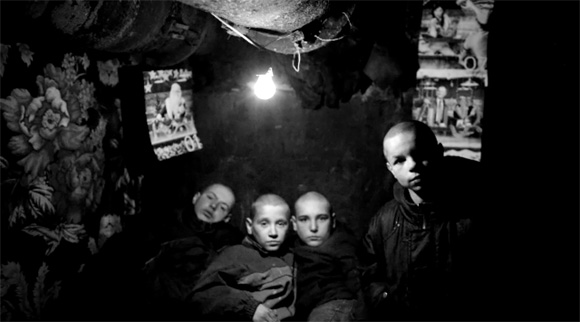
Photographer David Gillanders of Scotland made this film from his work photographing the homeless children of Ukraine. It was produced by Britain’s Channel 4. The drug addiction and desperate living conditions make for a very upsetting experience. It is difficult to imagine how children can be allowed to slip below the streets to live in sewers. It is an unforgivable sin in any civilization to allow this to happen to its children. Most of these kids are now dead.

It seems to me a worthy form of journalism that straightforwardly documents suffering that is being experienced by the most helpless members of a population.

Thank you to Paul Gallagher at Dangerous Minds.