Camera Eye: 1967 Film on Vietnam by Jean Luc Godard

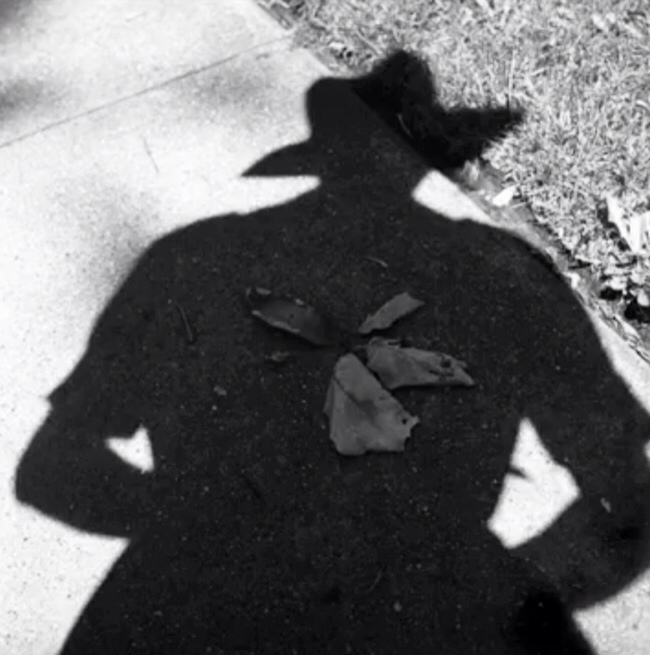
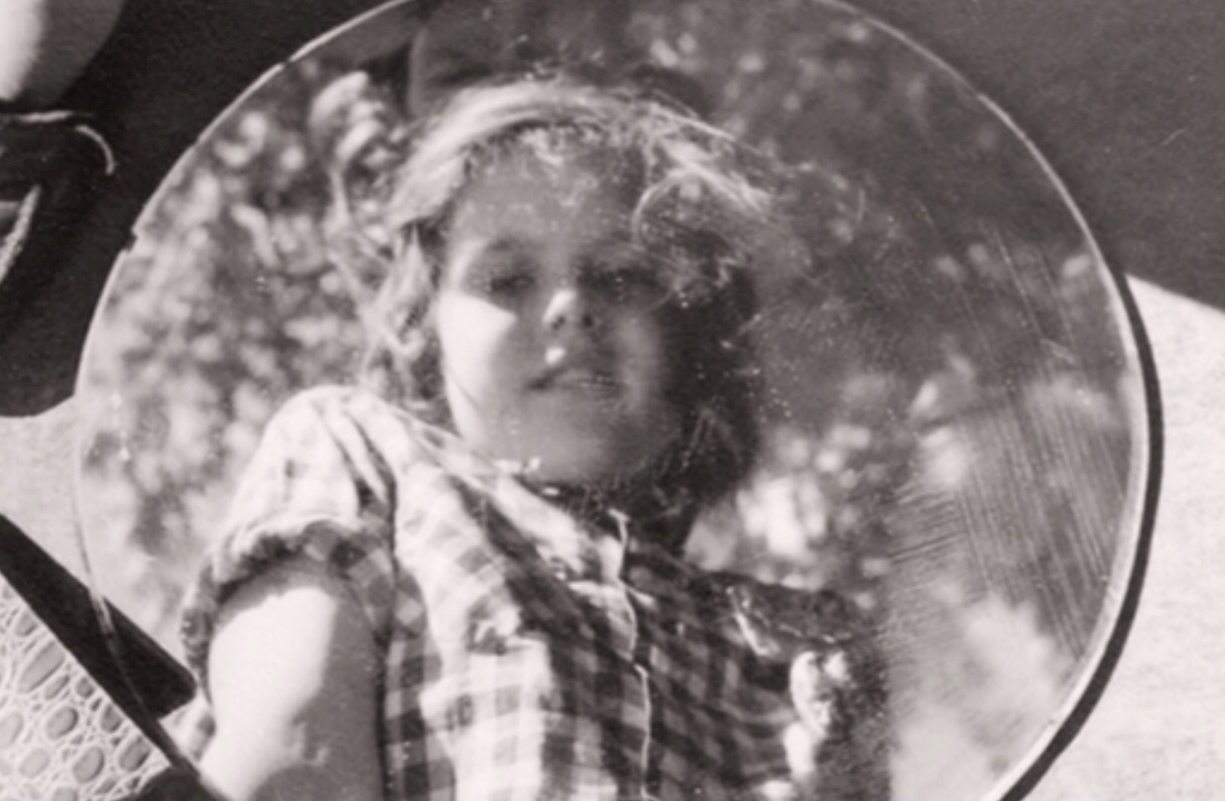
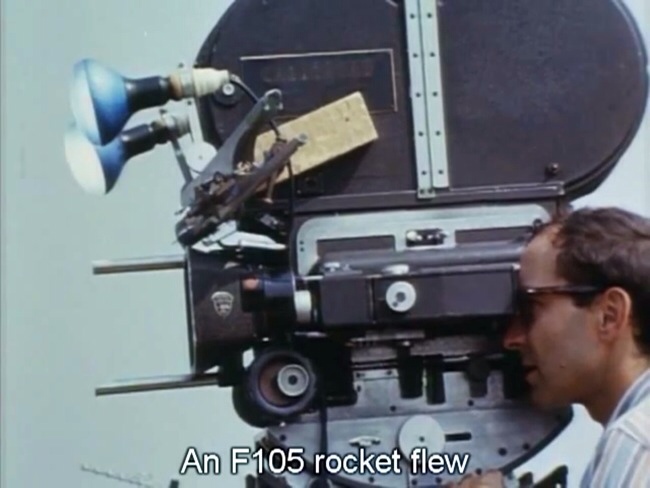
Godard was asked to make a short piece on Vietnam as part of an omnibus film called ‘Far From Vietnam’ that was being edited by the great experimental filmmaker Chris Marker. He was unable to actually go there so he used film clips and shot himself looking through a 35mm camera. His voiceover connects the war in Vietnam to his own life and to social struggles going on in Paris. He makes a fascinating attempt to express the futility of making a film about the war without any real understanding of it.


Bonecrusher Hemingway: Documentary by Eric Reichbaum

Meet 'Bonecrusher Hemingway,' a slight man with heavyweight dreams of arm-wrestling glory. Watch his final day of preparation as he must shed unwanted pounds before the big event which will pit him against female opponents who are bent on interrupting his Herculean assault on the Olympian heights of athletic achievement.

This is a first documentary by photographer Eric Reichbaum and it made me laugh… a lot. Sometimes people do something they want to do and you just have to watch them do it.


Whoever Says the Truth Shall Die: 1981 Documentary on Italian Poet and Filmmaker Pier Paolo Pasolini

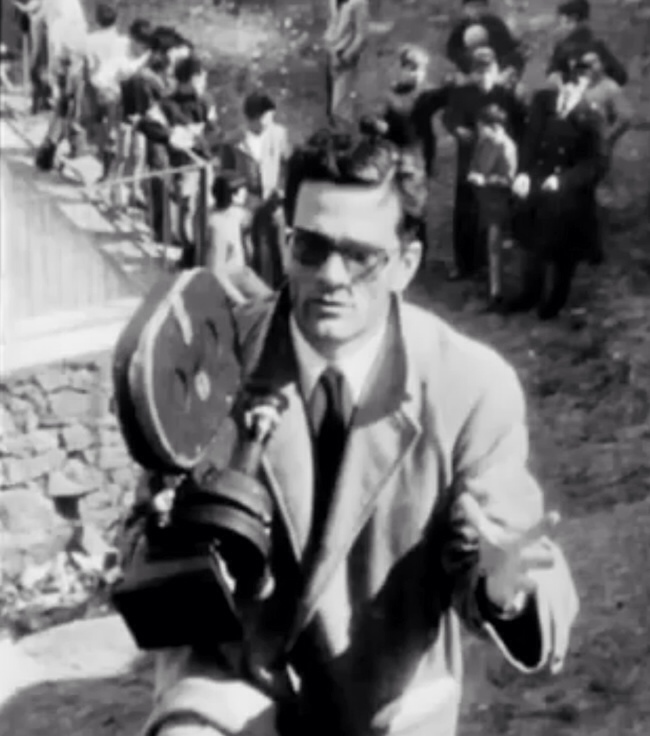
This is a Dutch documentary about dangerously anti-establishment Italian poet and filmmaker Pier Paolo Pasolini, who was brutally murdered in 1975 under extremely suspicious and unexplained circumstances. The Italian justice system – if such a phrase doesn't make you bust a hernia with too much laughing – dismissed his death as the act of a single young man upset about the filmmaker's sexual advances. This film points out that Pasolini was utterly smashed, his body broken and shattered everywhere. He'd been beaten and run over with a car. The evidence does suggest that he was slain by a group. Director Philo Bregstein attempts to draw a connection between the outrage caused by Pasolini's leftist, harshly critical works and his death. It's a tough connection to fit together because there is really very little good police work done by the Italians to provide any reliable information. I remember going to Italy as a boy and upon seeing an Italian policeman saying to my father, “But that's not a real policeman!” That was one year before Pasolini was killed.

There's just something always ridiculous about an Italian who either thinks they are a cop or a soldier. The country is absurd. It elects Berlusconi, a man who is actually a monkey, as if the entire nation just wants to make a big joke and cause the world to laugh at its expense.

My main reaction to this documentary is nostalgia for a time when the work and thinking of filmmakers and poets was taken seriously enough to warrant a documentary that immerses one in the mind of an artist. We don't see that anymore. We get jokey pop nonsense about what people are up to, but nothing approaching an understanding of a director's viewpoint. We are spoon-fed pablum about the moronic Martin Scorsese's eternal and cuddly love of cinema. The guy is a chipper little dolt who cannot function without De Niro's slightly winded masculinity nearby. A documentary about such a clown would not be worth making. I imagine him with a collection of old popcorn makers in his living room. Pasolini was engaged, angry, excited, subtle, harsh, contradictory, confused, dangerous, and beautifully unlikable. We don't allow those people to work now. What we get through an endless comment feedback loop are feeble protests about Tarantino's massive ego as he thinks he can be white and make a film about slavery. Tarantino's Django Unchained is actually the closest thing to Pasolini that this country may have ever produced. The present day outrage and the joy of expressing it is like a bomb going off throughout the length of that film which I consider a masterpiece.

A documentary like this makes me feel as if the world needs these people like Pasolini to show us how beautiful is a lack of common sense. How insightful contradiction can be. How anger and violence are really the material of poetry.

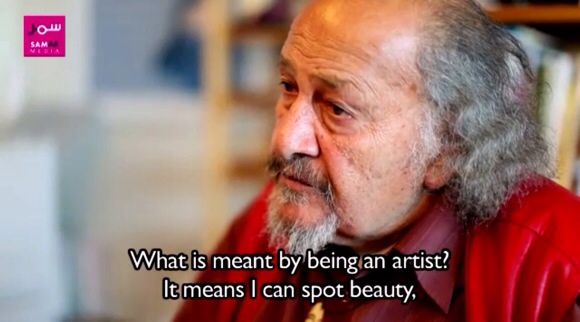
By the way, the story told by Bernardo Bertolucci about how he first met Pasolini is worth the entire film. That moment of doubt, of thinking that someone is a thief, a suspicious person, is at the heart of what an artist is. Listen to that part carefully and then think about how most artists now want to do something good for you. Take those artists out in the alley and shoot them. Leave only the bad guys alive.
 

1966 Chinese Nuclear Testing Film

ChinaNuclear

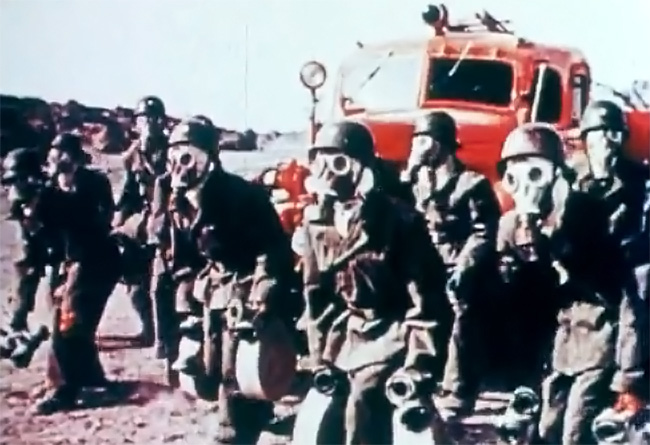
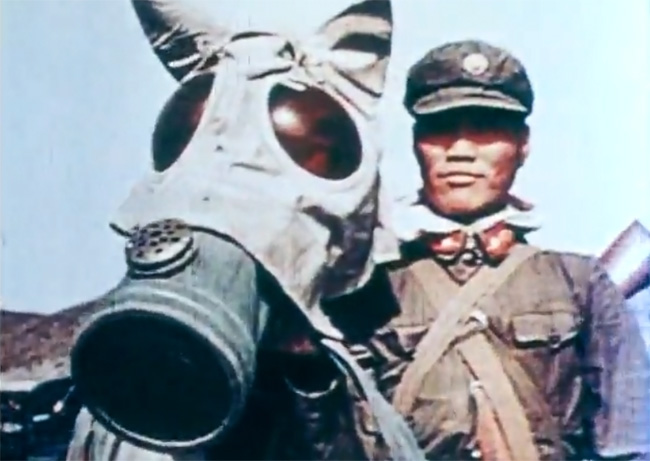
This is a Chinese propaganda film from 1966 about the communist country’s first nuclear weapons tests starting in 1964. The film shows the preparation of the testing area and the participation of the scientists and workers organized for the event which shocked the world. The soundtrack features a complete English translation of the narration which is delivered in a rather deadpan fashion, contrasting with the obvious enthusiasm of the original Chinese narrator.

ChinaNuclear3Most interesting to me in nuclear testing documentaries, both from the communist and democratic worlds of the mid-twentieth century, is the willingness of researchers to subject both animals and people to the effects of nuclear fallout. One would think that some of those U.S. and Chinese soldiers placed out in the desert to weather a nuclear blast with sunglasses would have decided to pick up some machine guns and slaughter a few commanding officers rather than risk the deadly radiation. That’s the problem with being a soldier. You have to follow some idiot’s orders and those orders can easily place you right up against a threat to your life and health that may be totally unnecessary. The twentieth century was filled with masses of people who willingly subjected themselves to the instructions of leaders and dropped themselves right into the meat-grinder of war, sacrificing themselves to some vague idea of glory which was actually just the glory of the guys at the bank. We’re doing it a little differently now in the U.S., making war with drones and ‘volunteer’ armies. But the fact is that people are still sacrificing themselves for some idea that’s never been properly explained to them. So they tell themselves that the idea they fight for is ‘freedom.’ We’ve somehow used the events of 9/11 to convince many people to volunteer for a fight they don’t understand. 9/11 was a criminal act by a criminal organization, not a true act of war. The inability to understand that has led to decades of hatred and an all-encompassing worldwide war of vagueness that infiltrates every daily activity, even those as simple as taking a photograph in a subway or near an airport. The terror organizations we fight all over the world could only ever hope to kill as many people in a single year as the drug cartels do. So why aren’t we flying drones over Mexico, killing anyone who looks like a cartel member?

So enjoy the film. What it’s really about is how people turn themselves into horses.

The Moon: 1965 Soviet Film by Pavel Klushantsev

Luna

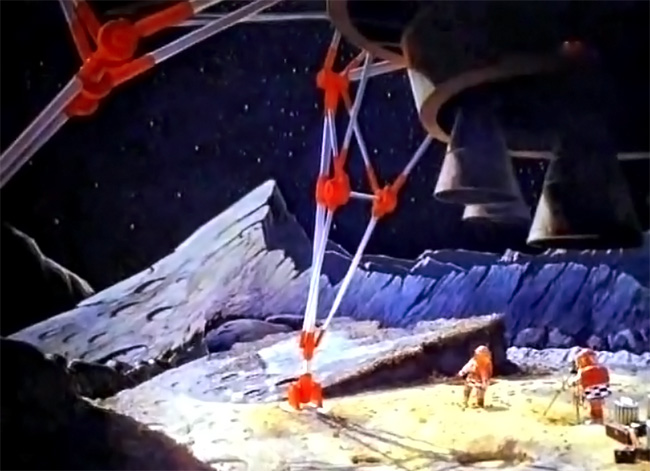
In 1965 Pavel Klushantsev made this Soviet film about how a voyage to the moon might happen. I’ve seen and posted other footage from this great science fiction director, but this is interesting because its color has been restored to saturated magnificence. Don’t worry that you can’t understand the Russian language. Just watch and enjoy the 60s communist enthusiasm! You will be treated to astronauts cavorting on the lunar surface while wearing space suits that look to me like nearly perfect adaptations from popular speculative illustrations of the time. The technical detail of this film is really quite amazing. NASA might want to refer to it while trying to re-acquire its lost Apollo knowledge.

It is apparent that Kubrick had his eye on this director’s work as he prepared to make 2001: A Space Odyssey. If you know that film, you will catch the shots I’m talking about.


Finding Vivian Maier: Upcoming Documentary of a Secret Street Photographer

Vivian Maier worked as a nanny but kept up an amazing life as a prolific photographer of life on the streets of Chicago. The enormous trove of her negatives has recently led to major exhibitions around the world. A historian named John Maloof set off this furor when he purchased a box of thirty thousand prints and negatives being auctioned away by a storage facility. Little did he know that he had stumbled upon an incredible record of mid-century life in the big city.


A Day In the Life of Havana

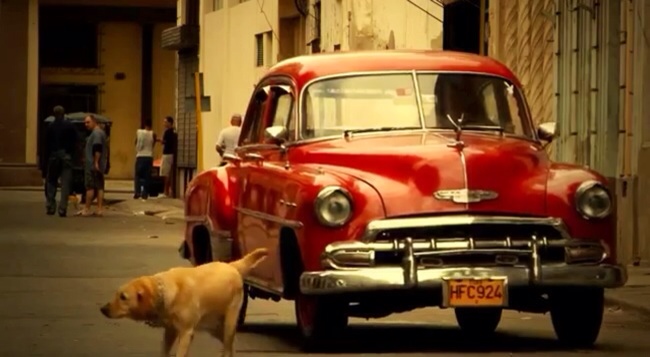
It's seldom that we get a view from inside Cuba. Here's a short film by photographer Jason Row about the city of Havana – it's beautiful old buildings, absurdly preserved American car fleet from the late fifties, the crushing poverty, and the eerie calm of living under the boot heel of a great slobbering pig dictator whose every breath is an insult to all Cubans everywhere. Why those poor sorry dimwits haven't walked into the dictator's house and eliminated him is far beyond my own comprehension or even my interest. People who are ruled by blathering psuedo-communist retards are truly beneath contempt. How's that for some travel commentary? To hell with Havana. Let's take Cuba and put up a Marriott. How difficult could it be? They have four soldiers riding in a 1959 Ford. Their guns are rusted shut. They don't like their boss. What are we waiting for? Don't we want the cigars? The music? The dancing? Come on Obama! Get it going! Forget all those nations of rapists in the Middle East. Go get me Cuba!


As I Am: A Film By Alan Spearman and Chris Dean

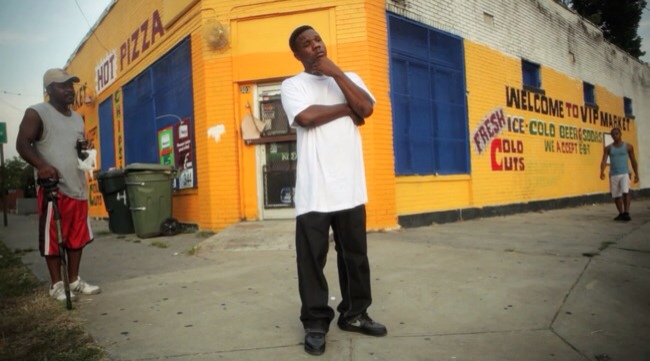
Emmy-winning filmmaker Alan Spearman made this film about the thoughts and observations of Chris Dean, a young man from Memphis who experienced death as a child when his heart stopped and then lost his father to a shooting. Dean and the filmmaker explore familiar places and find despair, hope and joy in their work. Sean's words are completely and profoundly engaged with the people he knows and loves. He wonders about how to pull one's self out of the seemingly insurmountable conditions of the streets. He talks about the requirement to find something you love and follow it. His writing is magnificent. The film is magnificent. The people in the film seem aware that someone special is in their midst, doing something that is about them and ultimately for them.


Secret Recording of NYPD Stop and Frisk Assault on Teenager

 
This short documentary contains the only known secret recording of New York City police conducting a “stop and frisk” for absolutely no reason other than simple harassment. The audio is both illuminating and terrifying because it makes clear that the officers have no respect for the rights of citizens. They simply want to fulfill their quotas and impress their bosses. They shove, threaten, mock and restrain this teenager in Harlem, but he's recording them all the while on his cell phone – which is legal in New York! Congratulations to him for the excellent work and for bearing up well against the brute force of criminal cops.
 
The film, directed by Ross Tuttle, goes on to interview some actual NYPD cops about how unpleasant the stop and frisk policy is and how it makes the police hunt civilians. It is my opinion that populations need to turn against police departments that are clearly veering out of control. In New York, every stop and frisk should result in an immediate mob scene that gets out of control within moments. Police should be surrounded and isolated by large groups of New Yorkers. Sudden and total shutdowns of police harassment by large mobs will be an extreme problem for the police. It's called resistance and it works. If a police officer wants to stop and frisk someone for no reason, they should draw a crowd. If the courts can't stop this nonsense, people will.
 
That’s my opinion on how to treat these cops in New York.


Death in Syria – How Global Post’s Tracey Shelton Captured Her Iconic War Images

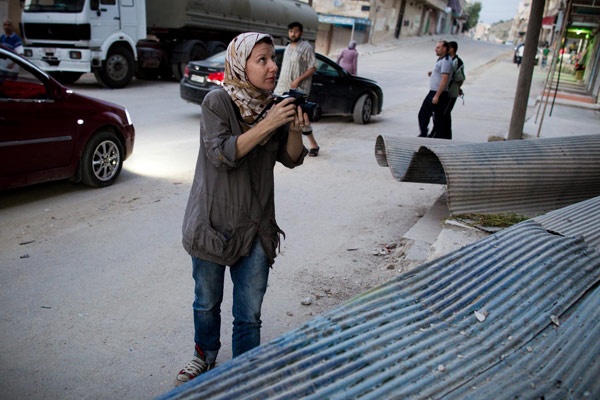
Tracey Shelton, a photojournalist working for Global Post was on the Syrian civil war front lines in the city of Aleppo, covering a group of rebel fighters who were manning a barricade position. She was using a Canon 7D DSLR camera to take video as the fighters prepared for the possible approach of some tanks. They were caught unprepared and her camera captured the moment when they were killed by a tank shell. The resulting images have become some of the most direct examples of just how suddenly death can come in war. They are a shocking reminder of war’s brutality. The bravery she must have to sneak around those streets with only a camera to defend herself from snipers, tanks and rocket propelled grenades is astounding. I think I would simply put my camera away and run.

DSLR News Shooter has an in-depth article about the photographer.

The photo of Tracey Shelton is by Niklas Meltio.

The original video of the terrible moment in a short documentary is shown here:

http://www.youtube.com/watch?v=nsJh67GjjPI

Here is an interview with the photojournalist about how she got her images:

http://vimeo.com/49395813

Los Angeles Streetcars – The Final Years

 
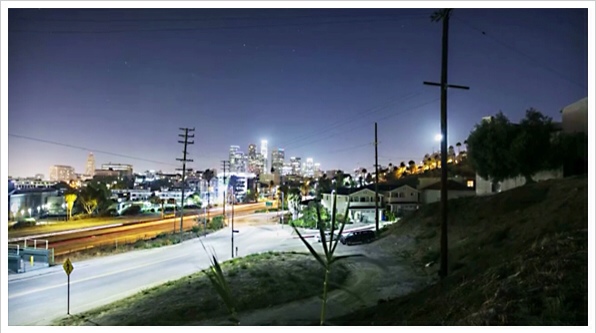
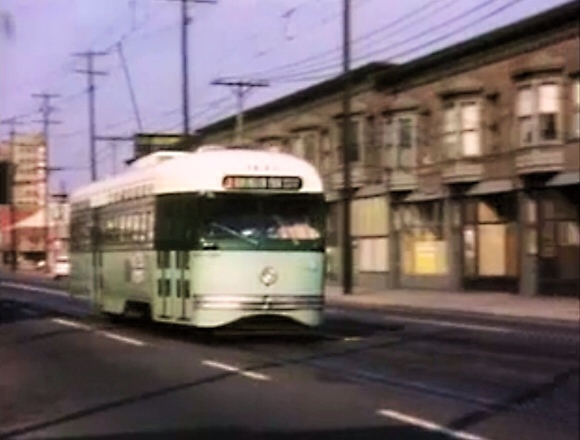
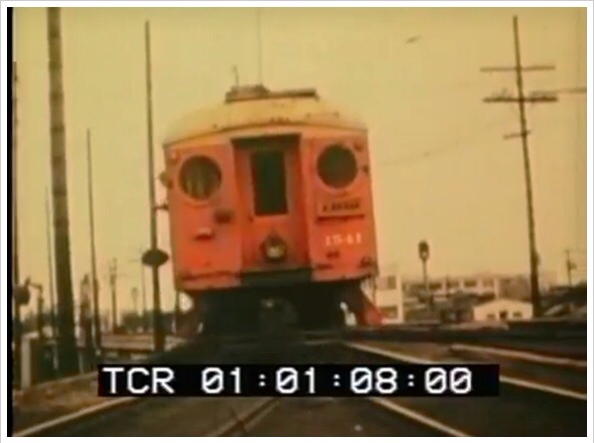
This is a short documentary about the last of the Los Angeles Yellow and Green streetcar lines of the mid-1950s. For me, Los Angeles is the most beautiful American city because of its nearly mystical relationship with the natural landscape intruding so markedly upon the urban scene. One gets the feeling that at any moment the terrain could obliterate the city entirely. The resulting dichotomy makes for eerie and unsettling intrusions of nature into the urban landscape. Turn a corner, even today, and you are quite likely to find yourself looking up a natural hillside with only a dirt path for access. Old films like these fascinate me for their glimpses of the cityscape and its long-ago relationship to the desert surroundings.